Homework Pages and Text 9

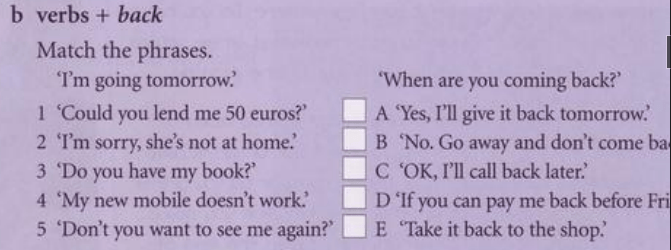
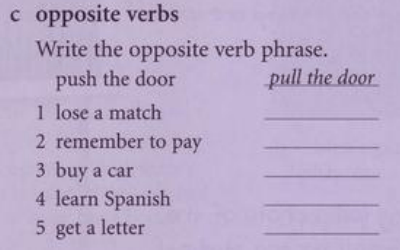
Homework— New English File: ex. 2(a, b), 5 — p. 35
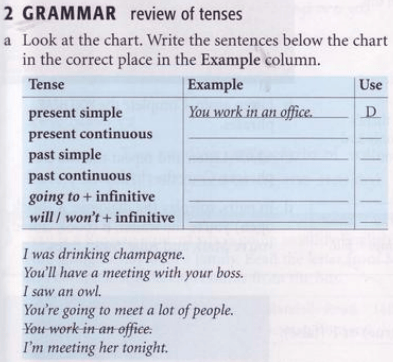
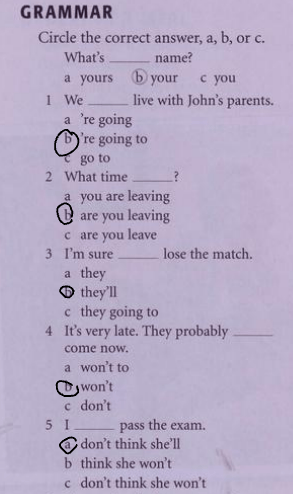
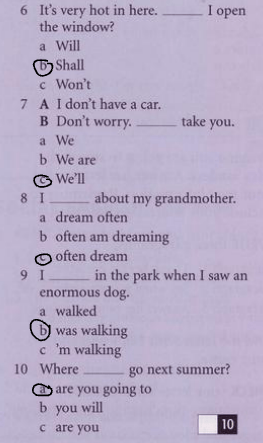
I’m meeting her tonight.

I saw an owl.

I was drinking champagne.

You’re going to meet a lot of people.

You’ll have a meeting with your boss.
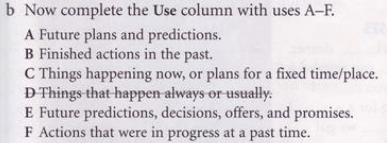
  1. D
  2. C
  3. B
  4. F
  5. A
  6. E
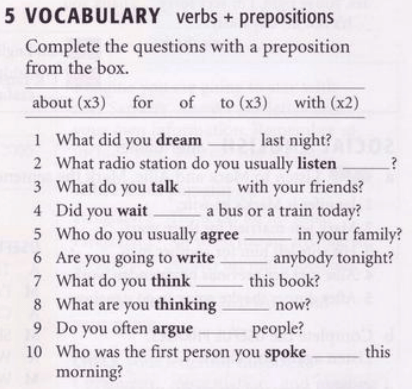
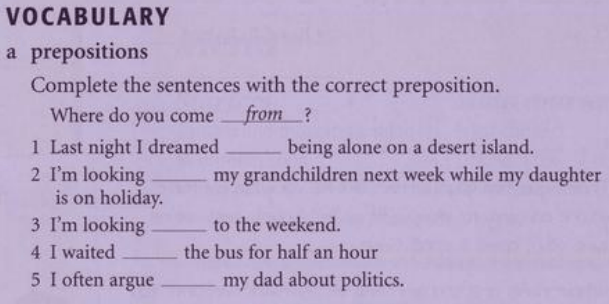
  1. about
  2. to
  3. about
  4. for
  5. with
  6. to
  7. of
  8. about
  9. with
  10. to

Text 9
Line number

  1. The most famous painter in Victoria’s history is Emily Carr. She was born
  2. in 1871 and, as a child, she discovered that walking in the woods appealed
  3. more to her than playing with other children. She discovered that she was
  4. more interested in roaming the streets of old Victoria than playing at home
  5. with dolls. Emily was a plump little girl who spent much of her childhood in
  6. Hill Park, which was very close to her family home. Drawing fascinated her,
  7. and she also liked to play with the animals she kept as pets. She had ducks
  8. and chickens, and even domesticated a crow. She was particularly interested
  9. in the Chinese people she saw in Victoria’s Chinatown.
  10. Their culture and way of dressing seemed so distinct from her own.
  11. At the age of sixteen she began to study drawing seriously. As she became a
  12. young, strong and independent woman Emily began to go on longer and
  13. longer trips into the uncharted forests to paint and draw what she saw. In the
  14. summer of 1895 she went on an expedition with two other women to explore
  15. the wilderness along the Cowichan River.
  16. Some time later she travelled up the coast by boat to visit and draw the
  17. native villages along the way. This required great daring and strength.
  18. When you look at her paintings, you can sense the atmosphere of these
  19. dark, mysterious forests. Her paintings are now very famous and, although
  20. the dark colours may not be attractive to some people, they evoke the beauty
  21. and mystery of the deep woods and the skill of a great artist.

  1. According to the text,
    a) Emily Carr was the only painter in Victoria’s history.
    b) Emily Carr was an outstanding painter in Victoria‟s history.
    c) In Victoria‟s period the English art developed and flourished.
    d) Nature was the main subject to be painted in Victoria‟s period.
  2. The word roaming in line 4 means
    a) cleaning
    b) drawing
    c) wandering
    d) avoiding
  3. Paragraph 1 (lines 1-9) implies that
    a) the Chinese were very interested in Emily‟s art.
    b) Emily Carr was particularly attracted to Chinese culture.
    c) Chinese culture seemed to be unfamiliar to Victorian period.
    d) toys and animals were the main topics for Emily to paint.
    Section 1
    17
  4. The word uncharted in line 13 could best be replaced by
    a) not included on maps
    b) dangerously far
    c) well-known to many
    d) different from others
  5. The text mostly discusses
    a) Victoria’s Chinatown
    b) Wild life of Victorian painters
    c) Victoria’s history
    d) Emily Carr‟s love for the wild life
Առակ

Մի անգամ մի երիտասարդ տղա, ով իրեն շատ դժբախտ էր համարում, եկավ ծեր իմաստունի մոտ և ասաց, որ իր դժվար, ծանր կյանքի մեջ իմաստ չի տեսնում:
Նա երկար բողոքում էր կյանքից, որը, իր կարծիքով,  դաժան է և անարդար։ Իսկ իր ամեն մի տխուր մենախոսությունից հետո նա չէր մոռանում բացականչել. «Ինչի՞ համար եմ ես այսքան դժբախտ, ինչո՞ւ է իմ կյանքում ամեն ինչ շատ ավելի վատ, քան մյուս մարդկանց մոտ»։
Այդպես շարունակվեց մի քանի օր։
Երբ իմաստունը հոգնեց ամեն անգամ այդ նվնվոցը լսելուց,  նա երիտասարդին ուղարկեց աղ բերելու։ Իսկ հետո խնդրեց այդ մի բուռ աղը լցնել ջրով լի բաժակի մեջ և խմել։
-Ո՞նց է  համը, – հարցրեց իմաստունը, երբ տեսավ, որ երիտասարդը համից ծամածռում է դեմքը։
-Դա սարսափելի է և զզվելի,- ասաց երիտասարդը:
Իմաստունը միայն ժպտում է և խնդրում մի անգամ էլ վերցնել մի բուռ աղ։
Նրանք լուռ հասան մոտակա լճին։ Իմաստունը հրամայեց երիտասարդին աղը լցնել լճի ջրի մեջ։
-Իսկ հիմա խմիր այդ ջրից և ասա՝ ինչ զգացիր։
-Մաքուր, թարմ և շատ համեղ ջուր է, – ասաց երիտասարդը, – և ես բոլորովին էլ չեմ զգում աղի համը։
Այդ ժամանակ իմաստունը, նստելով երիտասարդի կողքին, գրկում է նրան և  ասում. -Ցավը մեր կյանքում մաքուր աղն է, ոչ ավել և ոչ էլ պակաս։ Ցավի քանակը միշտ կմնա անփոփոխ։ Սակայն մեր կողմից զգացած ցավը կախված է տարայի ծավալից, որի մեջ մենք այն լցնում ենք։
Այսպիսով, երբ մենք տառապում ենք և ցավից գալարվում, միակ բանը որ մենք կարող ենք անել այն է, որ մեր կյանքը  լցնենք  բազմազանությամբ և իմաստով, նաև շատ բաներին նայենք ավելի լայն հայացքով։ Պետք է դադարել լինել բաժակի նման։ Պետք է լիճ դառնալ։

Առաջադրանքներ

Ա) Համաձայնե՛ք կամ մի՛ համաձայնեք՝  Ձեր պատասխանը հիմնավորելով առակից բերված համապատասխան հատվածներով և Ձեր վերլուծությամբ։

Տղան դժբախտ էր զգում իրեն, և նա չէր հասկանում՝ ինչու է դա այդպես:— Համաձայն եմ։ Տղան իրեն դժբախտ էր զգում և չէր հասկանում իր դժվարությունների պատճառը։ Նա ասում էր, որ «իր դժվար, ծանր կյանքի մեջ իմաստ չի տեսնում»։
Տղան համարում էր, որ կյանքը անարդար է իր նկատմամբ:
— Համաձայն եմ։ Տղան կարծում էր որ կյանքն իր նկատմամբ անարդար է։ Նա բողոքում էր որ կյանքը «դաժան է և անարդար»։
Իմաստուն ծերունին համաձայն է տղայի հետ, որ կյանքը նրա նկատմամբ անարդար է:
— Համաձայն չեմ։ Իմաստունը համաձայն չէր տղայի հետ այլ փորձում էր նրան հասկացնել, որ պետք է կյանքին ավելի լայն նայել և չկենտրոնանալ միայն դժվարությունների վրա։
Բաժակի մեջ լցված մի բուռ աղը ջուրը զզվելի է դարձնում, որովհետև աղը շատ է:
— Համաձայն եմ։ Բաժակի մեջ քիչ ջուր կար, իսկ աղը շատ էր, դրա համար էլ ջուրը դարձավ զզվելի։ Տղան ասաց. «Դա սարսափելի է և զզվելի»։
Լճի ջուրը շարունակում է անուշ լինել, որովհետև մի բուռ աղը քիչ է նրա համար:
— Համաձայն եմ։ Եթե մեր կյանքում ավելի շատ դրական մտքեր և լավ բաներ կան, ապա մի փոքր բացասականը չի կարող ամեն ինչ փչացնել։ Ինչպես լճի մեջ աղը չէր զգացվում, այնպես էլ լավ մտքերը կարող են օգնել, որ դժվարությունները մեզ այդքան չազդեն։
Մի բուռ աղը ջուրը զզվելի չի դարձնի, եթե տարածքը, որի մեջ այն լուծվում է, մեծ է:
— Համաձայն եմ։ Երբ աղը լցնում ենք մեծ քանակությամբ ջրի մեջ, այն այնքան չի զգացվում։ Առակում իմաստունն ասում է, որ մեր զգացած ցավը կախված է այն բանից, թե ինչքան մեծ է այն տեղը, որտեղ մենք այն լցնում ենք։

Բ) Ինքնե´րդ վերնագրեք առակն այնպես, որ ակնհայտ լինի արտահայտված գաղափարը:

«Պետք է լիճ դառնալ»

Ես այս վերնագիրն ընտրեցի, որովհետև առակի գլխավոր միտքն այն է, որ պետք չէ մեր բոլոր դժվարությունների վրա կենտրոնանալ։ Պետք է կյանքում շատ լավ բաներ գտնել, զբաղվել տարբեր գործերով և ամեն ինչին ավելի լայն նայել։ Ինչպես լիճը այնպես էլ մենք պետք է կարողանանք մեր մեջ տեղ տալ և լավին, և դժվարություններին։

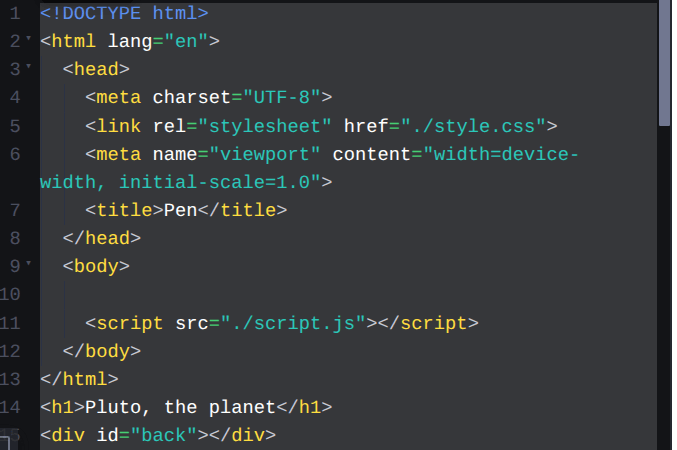
Նոյեմբեր Ծրագրավորման Հաշվետվություն

Այս ամիս հիմնական ուշադրությունը հատկացվել էր HTML-ի և CSS-ի ուսումնասիրմանը։ Դրանք վերաբերում են կայքի ձևավորմանը տեքստերին, գույներին, պատկերներին, տեղեկատվությանը և այլն։ Սա, թերևս, ծրագրավորման իմ ուսումնառության ընթացքում անցած ամենասիրելի դասերից մեկն էր։ Դասերը շատ հետաքրքիր էին, և ես իսկապես հաճույք ստացա դրանցից։

This month’s main focus was learning about HTML and CSS. It is about the design of your website, like the writing, colors, images, information, and more. It’s was actually one of my favorite lessons that I have done throughout my programming lessons. The classes were very interesting and I really enjoyed it.

About HTML & CSS

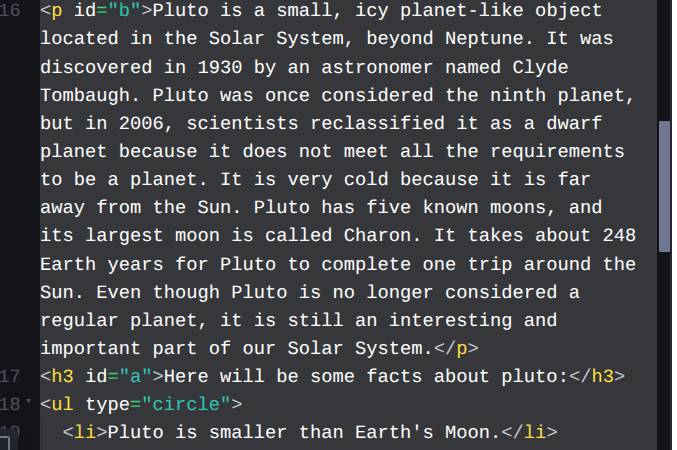
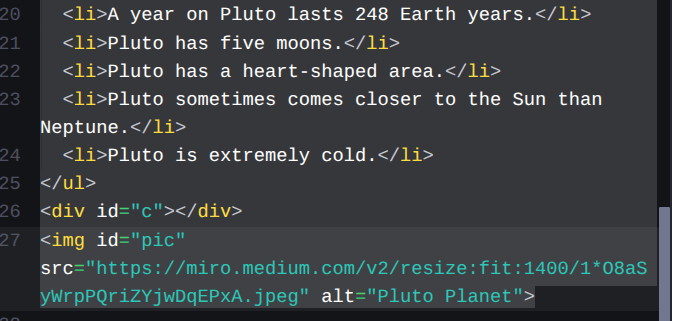
About The Pluto Planet Website

HTML:

CSS:

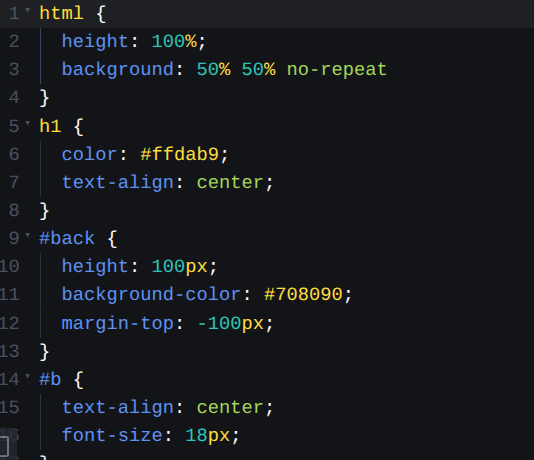
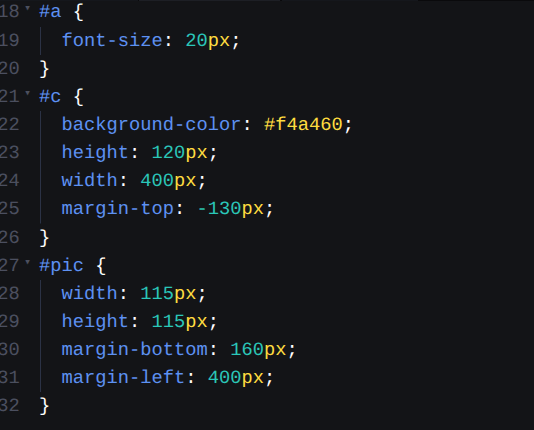
CSS֊ի կոդեր որոնք սովորել էնք։

html {

height: 100%;

background: 50% 50% no-repeat

}

h1 {

font-size: 40px;

font-famoily: Arial, sans-serif;

font-weight: bold;

font-style: italic;

text-align: center;

text-decoration: underline;

text-transform: uppercase;

line-height: 1.5;

letter-spacing: 2px;

}

body{

background-color: lightgrey;

}

section {

background-image: url(“image.jpg”)

background-size: cover;

background-position: center;

background-repeat: no-repeat;

}

.gradient {

background: linear-gradient(to right, blue, purple);

}

div {

border: 3px solid black;

border-radius: 15px;

border-top: 5px solid red;

border-bottom: 5px dashed blue;

}

div {

width: 300px;

height: 200px;

min-width: 100px;

max-width: 500px;

min-height: 100px;

max-height: 400px;

}

div {

margin: 20px;

margin-top: 10px;

margin-bottom: 30px;

padding: 20px;

padding-left: 15px;

padding-right: 15px;

}

div {

width: 300px;

padding: 20px;

border: 5px solid black;

margin: 15px;

box-sizing: border-box;

}

.block {

display: flex;

}

.inline {

display: inline;

}

.inline.block {

display: inline-block;

}

.hidden {

display: none;

}

.static {

position: static;

}

.container{

display: flex;

flex-direction: row;

justify-content: ;

align-items: center;

flex-wrap: wrap;

gap: 20px;

}

.item {

flex: 1;

}

button.hover {

background-color: blue;

color: white;

}

input:focus {

border: 2px solid blue;

}

li:first-child {

color: red;

}

li:last-child {

color: green;

}